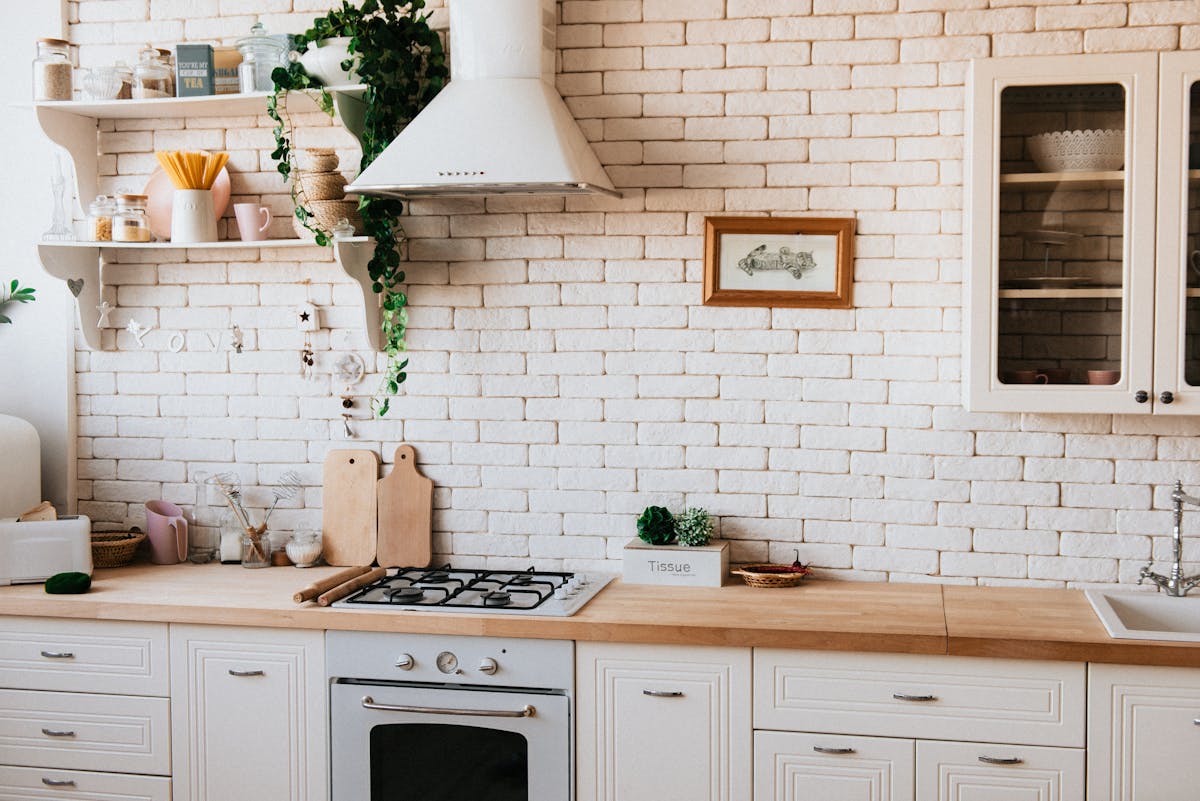
If you’re renovating your kitchen in Buffalo or Western New York, one of the biggest decisions you’ll face is choosing the right countertop material. Two popular options that homeowners keep coming back to are butcher block and natural stone (granite, quartz, or marble). Each brings a completely different look and feel to your kitchen — and each has trade-offs worth understanding before you commit.
At Empire Custom Countertops, we’ve helped hundreds of Buffalo-area families navigate this exact decision. Here’s an honest comparison to help you figure out which material fits your home, your lifestyle, and your budget.
The Appeal of Butcher Block
Butcher block countertops are made from strips of hardwood — typically maple, walnut, cherry, or oak — glued together into a thick, solid surface. They’ve surged in popularity thanks to the farmhouse and rustic kitchen trends that have taken hold across Western New York neighborhoods from Orchard Park to Tonawanda.
Pros of Butcher Block
- Warm, natural look: Nothing matches the warmth that real wood brings to a kitchen. If your Buffalo home has a craftsman or farmhouse style, butcher block feels like it belongs.
- Budget-friendly: Butcher block typically runs $40–$100 per square foot installed, making it one of the more affordable countertop options.
- DIY-friendly repairs: Scratches and minor damage can be sanded out and refinished at home.
- Built-in cutting surface: You can cut directly on it (though most people prefer not to, for hygiene reasons).
Cons of Butcher Block
- High maintenance: Wood needs regular oiling — typically every month or two — to stay sealed and prevent drying or cracking. Buffalo’s dry winters can be especially tough on untreated wood surfaces.
- Water damage risk: Standing water around sinks or dishwashers can warp, stain, or even rot butcher block over time. In a busy family kitchen, this is a real concern.
- Scratches and stains: While you can sand them out, wood is softer than stone and will show wear faster.
- Not heat-resistant: Setting a hot pan directly on butcher block will scorch it. You’ll always need trivets.
- Bacteria concerns: Wood is porous. Without diligent cleaning and sealing, it can harbor bacteria — something to consider if you do a lot of raw meat prep.
The Case for Stone Countertops
Stone countertops — granite, quartz, and marble — remain the gold standard for kitchen renovations in the Buffalo market. Whether you’re updating a colonial in Lancaster or modernizing a ranch in West Seneca, stone countertops add lasting value and visual impact.
Granite
Granite is a natural stone, quarried and cut into slabs. Each piece is unique, with its own pattern of minerals and veining. It’s been a Buffalo kitchen staple for decades, and for good reason.
- Extremely durable: Granite resists scratches, heat, and daily wear better than almost any other surface.
- Unique beauty: No two slabs are alike. You’re getting a one-of-a-kind countertop.
- Great resale value: Granite kitchens consistently attract buyers in the Western NY real estate market.
- Requires sealing: Granite needs to be sealed once or twice a year to prevent staining — but that’s a quick, easy process.
Quartz
Quartz countertops are engineered — made from crushed natural quartz mixed with resins and pigments. They offer the look of stone with even less maintenance.
- Non-porous: Quartz never needs sealing. It resists stains, bacteria, and moisture right out of the box.
- Consistent appearance: If you want a uniform look without natural variation, quartz delivers.
- Extremely low maintenance: Wipe it down with soap and water. That’s it.
- Not as heat-resistant as granite: The resin in quartz can discolor under extreme heat, so trivets are still a good idea.
Marble
Marble is the luxury option — stunning veining, timeless elegance, and a cool surface that’s perfect for baking. However, it’s softer and more porous than granite or quartz, making it higher maintenance and more prone to etching from acidic foods.
Buffalo Climate: Why It Matters
Western New York’s climate plays a bigger role in your countertop decision than you might think. Our harsh winters mean indoor humidity levels swing dramatically between seasons. Butcher block expands and contracts with humidity changes, which can lead to warping or gaps over time. Stone countertops are virtually unaffected by these swings, making them a more predictable choice for Buffalo homes.
If you’re set on butcher block, plan to keep your home’s humidity level reasonably consistent — a humidifier in winter can help protect your investment.
Cost Comparison
Here’s a general range for installed countertops in the Buffalo area:
- Butcher block: $40–$100/sq ft
- Granite: $50–$150/sq ft
- Quartz: $60–$175/sq ft
- Marble: $75–$250/sq ft
Keep in mind that local fabrication — like what we do at Empire Custom Countertops — often saves you money compared to big box store pricing, and you get hands-on guidance through the entire selection and installation process.
Which Should You Choose?
Choose butcher block if: You love a warm, rustic look, you’re working with a tighter budget, and you don’t mind the ongoing maintenance. It works beautifully as an accent — for example, a butcher block island paired with stone perimeter counters.
Choose stone if: You want durability, low maintenance, and long-term value. For Buffalo’s climate and the demands of a busy family kitchen, granite or quartz is the safer bet.
Many of our customers end up mixing materials — stone on the main counters and butcher block on an island or prep area. It’s the best of both worlds.
Ready to See Your Options in Person?
The best way to decide is to see and touch the materials yourself. Visit Empire Custom Countertops in Buffalo to browse our selection of granite, quartz, marble, and more. We’ll walk you through the pros and cons for your specific kitchen and give you a free, no-pressure quote.
Call us today at (716) 799-4485 or request a free estimate online. We’ve been helping Buffalo and Western NY homeowners make smart countertop choices for years — and we’d love to help you next.